NoFap — what the research actually says
There are more numbers circulating on this subject than there are studies. These are the ones that can be checked — with the date somebody opened the full text and confirmed them.
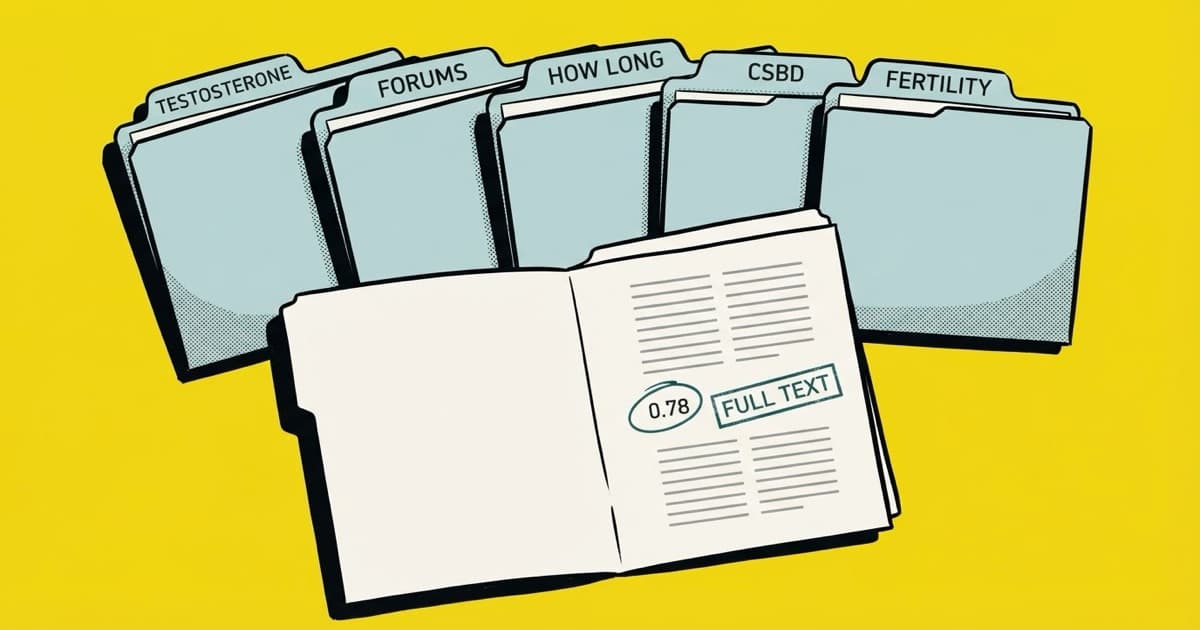
This subject has an unusual problem. It is not short of content — it is short of content whose numbers match the studies they cite. The most repeated figure in the whole NoFap community comes from a paper the journal retracted in 2021. The most quoted figure about prostate cancer does not appear in the study it is attached to.
We know this partly because we fell for it ourselves. The first version of this product's plan carried four claims that did not survive a check against the full texts. One of them has an article of its own, along with where it came from.
Three things worth knowing before you read anything else
No study establishes how many days of abstinence "make sense". There is a study of a month of abstinence which found neither benefit nor harm to sexual wellbeing. The number 90 comes from the community, not from research.
The one official diagnosis in this neighbourhood is called compulsive sexual behaviour disorder, and it sits in ICD-11 under code 6C72. "Pornography addiction" is not a separate diagnosis anywhere — not in ICD-11, not in DSM-5.
Support from people you already know has better evidence behind it than anything else in this category. The median 30-day retention of a mental health app is 3.3%. In the peer-support category it is 8.9%. That is the only mechanic worth building on, and it is why this application looks the way it does.
How to read these articles
Every source carries the date somebody opened its full text and confirmed it says what we say it says. Not the abstract, not a write-up on a science news site — the full text. Where something could not be confirmed, it is not here, however good it sounded.
None of these articles is medical advice and none replaces a specialist. Several of them end with "take this to a doctor", and that is not hedging — it is the most sensible thing anyone can write on the internet.
All articles
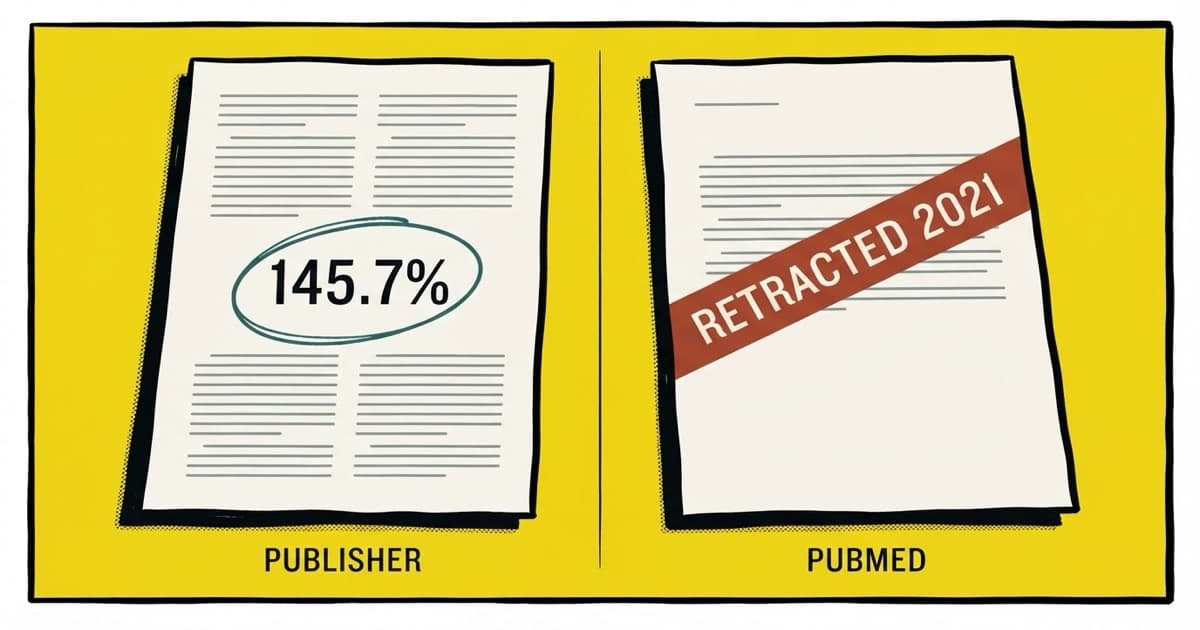 The testosterone study behind NoFap was retracted in 2021. Its publisher still hosts itThe testosterone peak on day seven comes from a single study of 28 men that was retracted. The publisher's own page still says nothing about it.
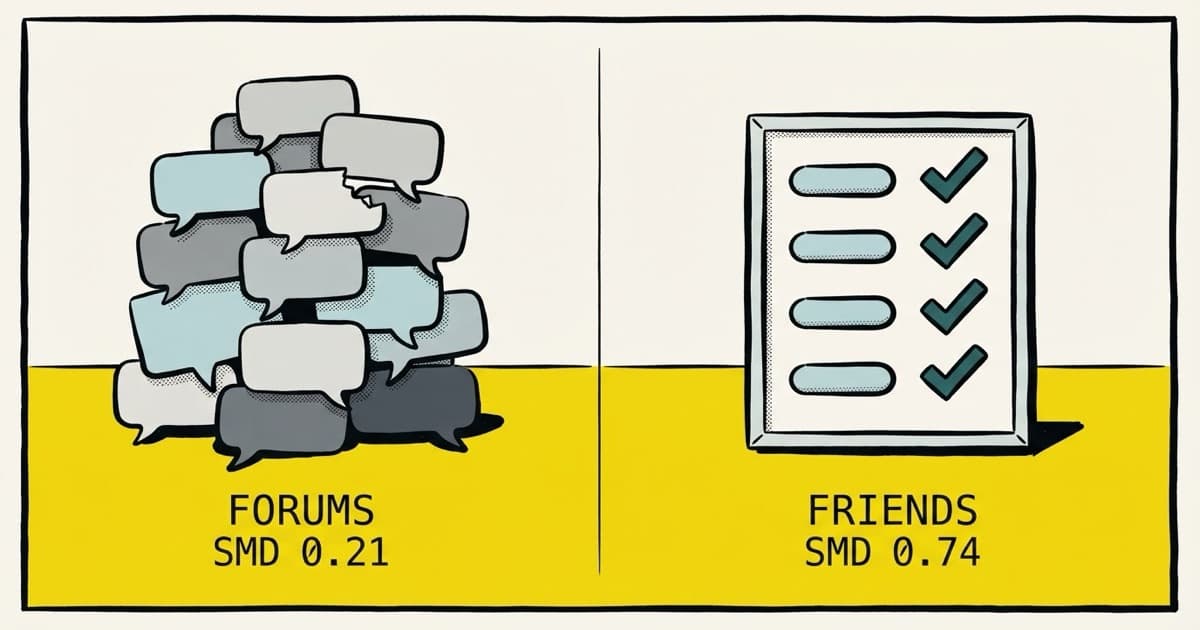 NoFap forums can do harm — what the study showed and what it did notNearly one in three participants reported suicidal thoughts after a slip. That is a serious signal, and the study has limits worth stating out loud.
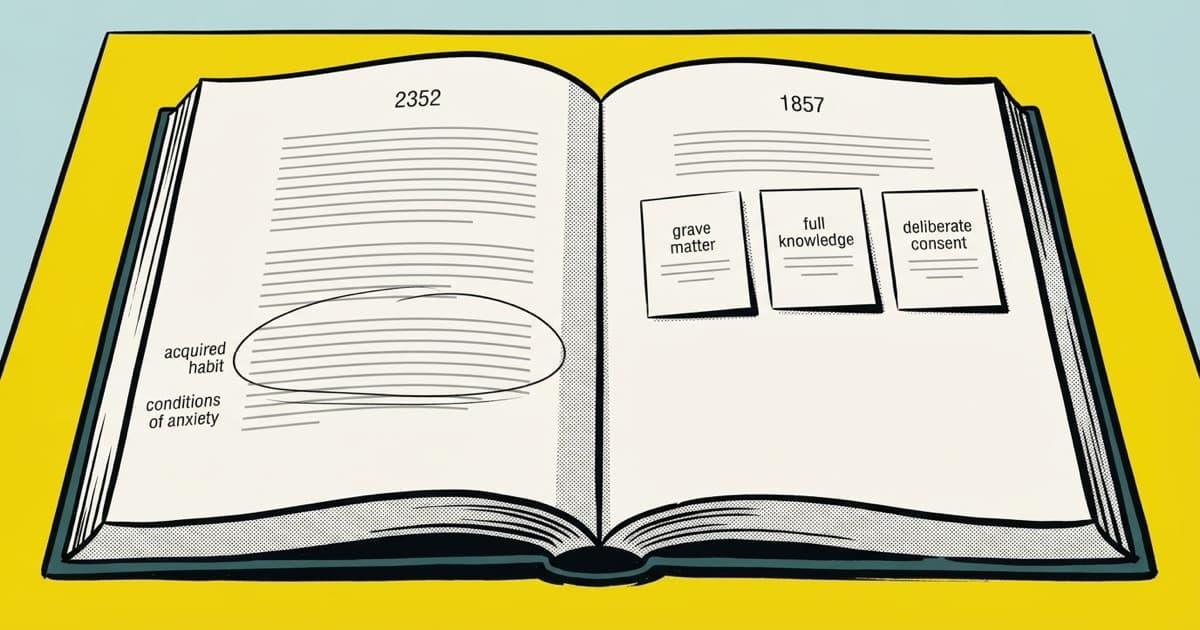 Is masturbation a sin? What the Catechism actually says — and what it does notThe Catechism calls the act gravely disordered and, in the same paragraph, lists the circumstances that lessen moral culpability. Both sentences stand together; usually only one is quoted.
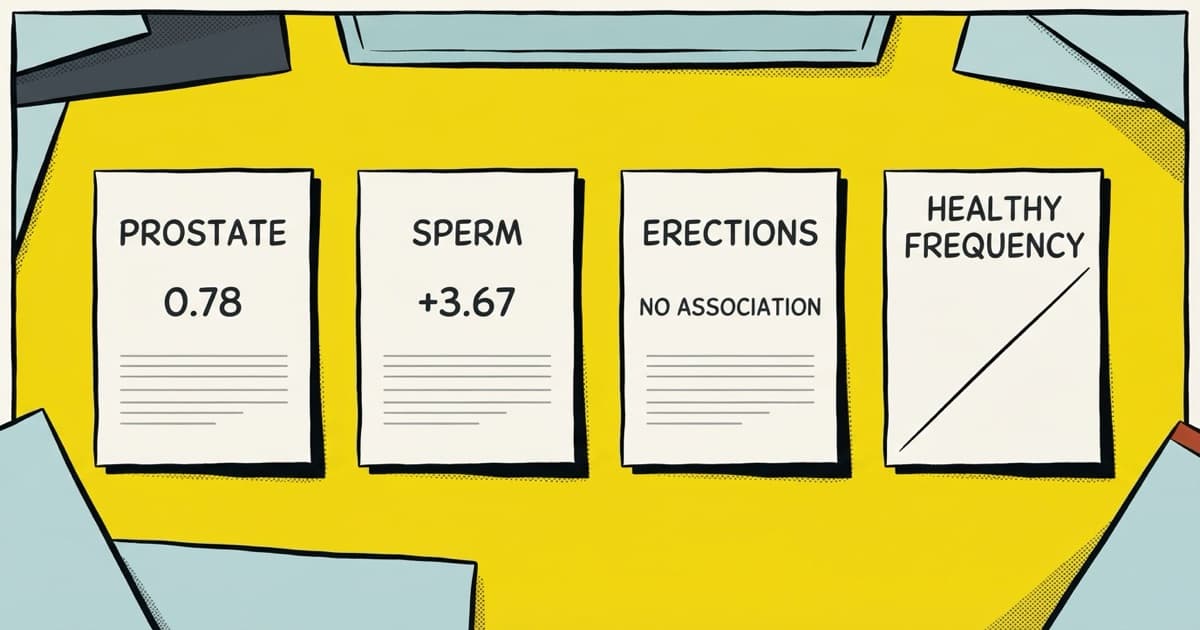 Is masturbation healthy? What has been measured, and what nobody hasNo study sets a healthy frequency. Several measured specific things — prostate, fertility, erections, a month off — each with its confidence interval and its caveat.
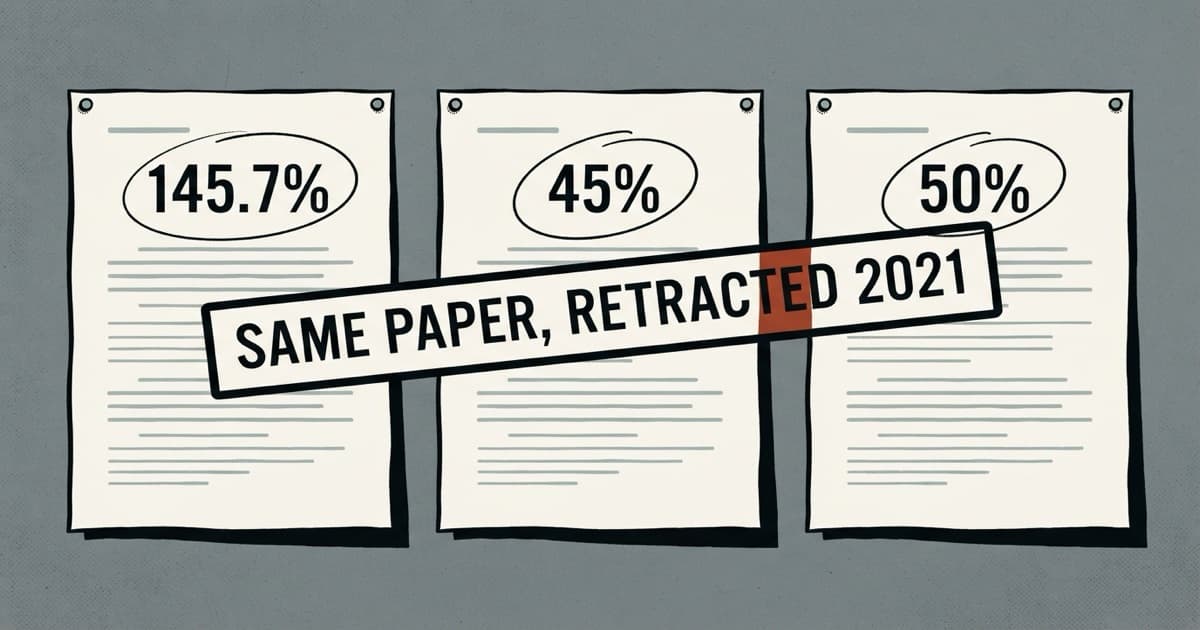 Masturbation and testosterone: where the +45% came from, and why it is still circulatingThe first page of Google reports a 45% or 50% rise after seven days. Both numbers come from the same 2003 paper, withdrawn in 2021 — and one of those pages carries the word RETRACTED in its own bibliography.
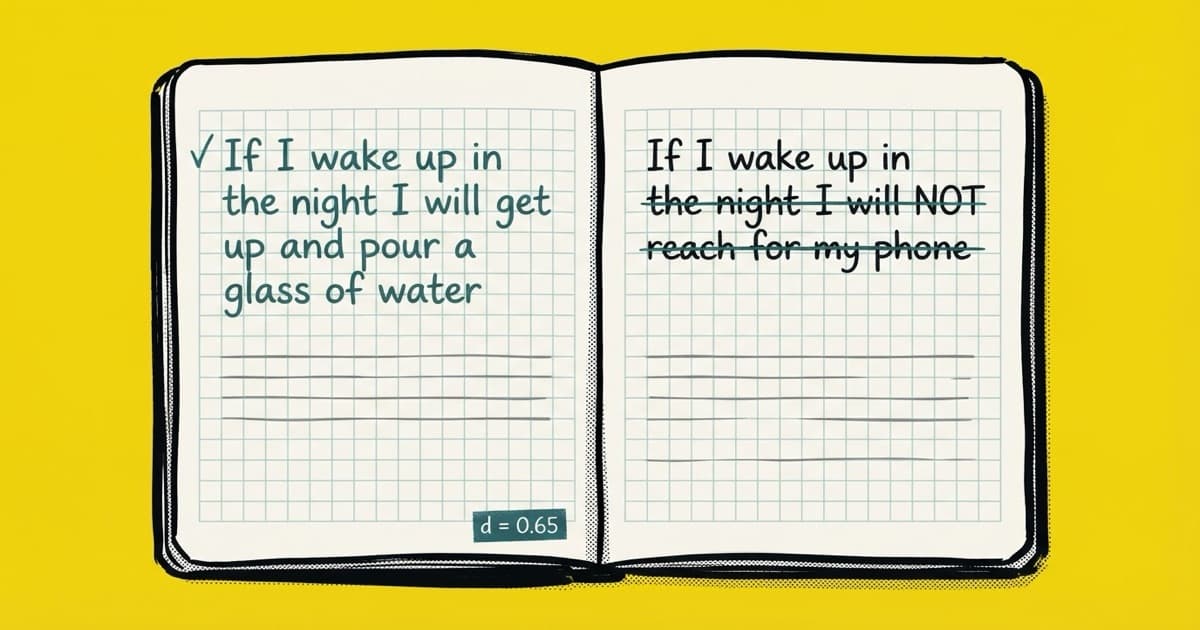 How to stop masturbating — what actually has evidence behind itThere is no study on quitting masturbation. There is research on changing behaviour in general, and it says three specific things — none of which is "try harder".
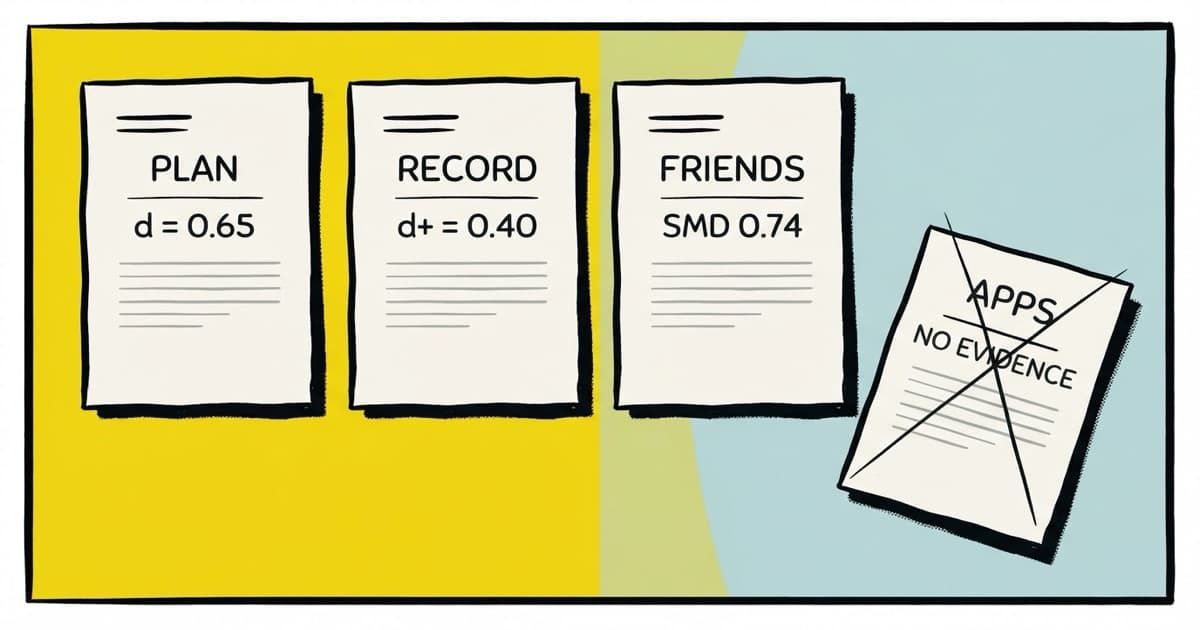 How to quit porn: what has evidence behind it, and what is only a word"Porn addiction" is not a diagnosis in ICD-11 or DSM-5. What exists is code 6C72, and three findings about changing behaviour, each with a number attached.
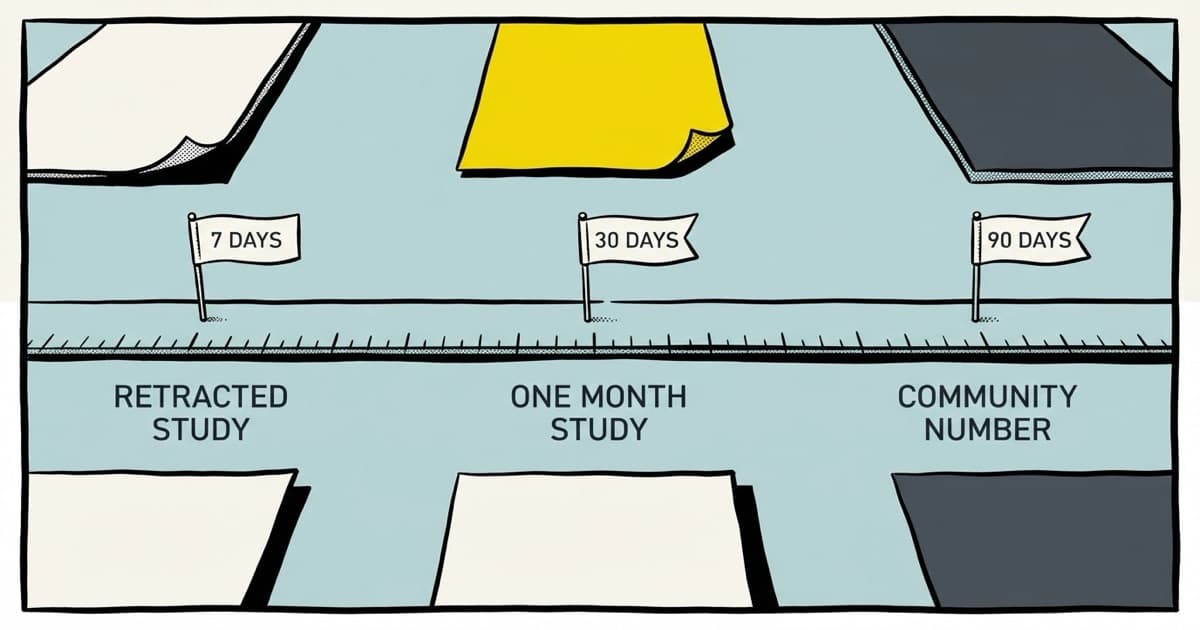 How many days of NoFap make sense? The honest answer is shorter than you thinkNo study sets an upper safe limit. There is a study of a month of abstinence, and it found neither benefit nor harm.
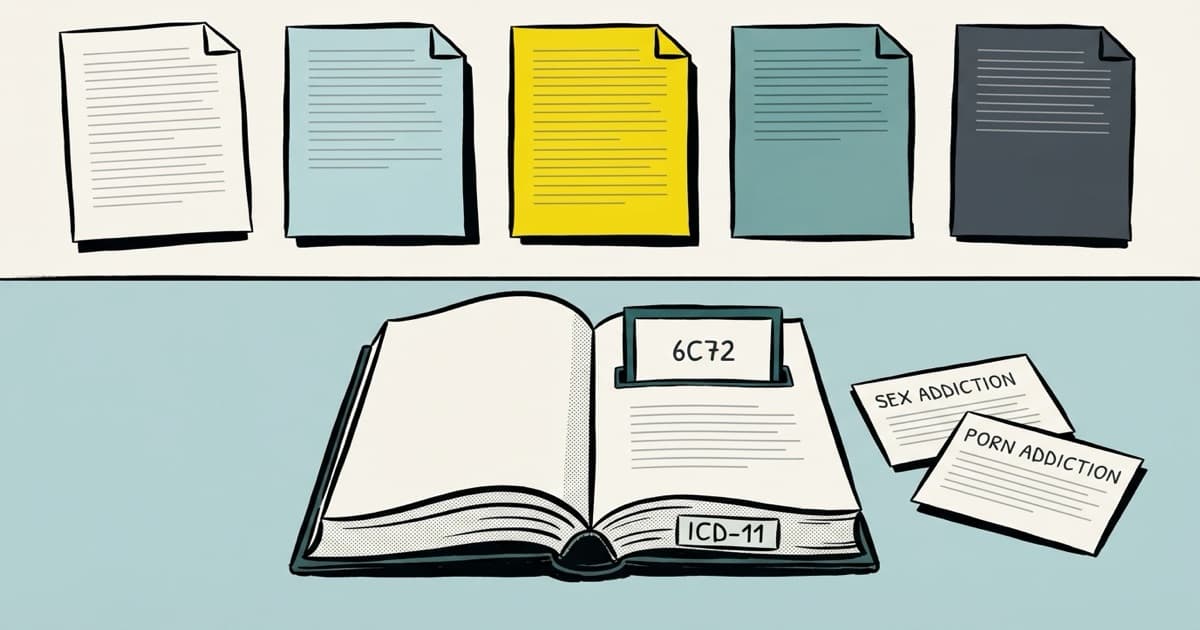 Sex addiction, CSBD, porn addiction — which of these is a diagnosisOne of these names is in the international classification of diseases. The others are not, and the difference matters when you look for help.
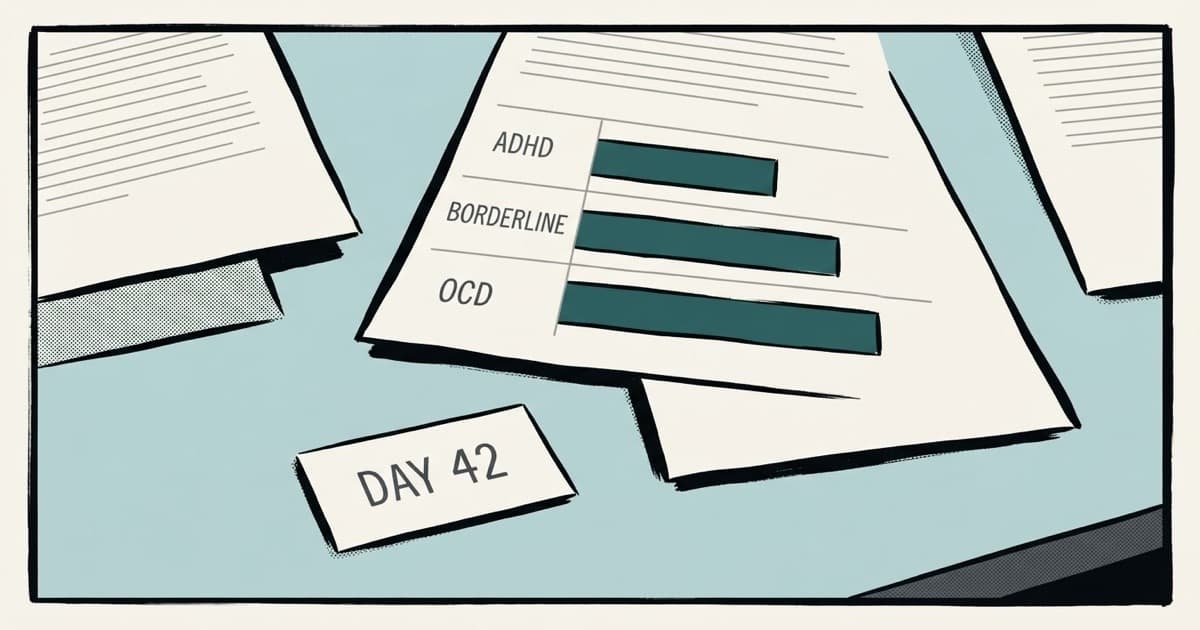 Compulsive masturbation rarely travels aloneIn a community sample, people with probable CSBD scored significantly higher on ADHD symptoms, borderline traits and obsessive-compulsive symptoms.
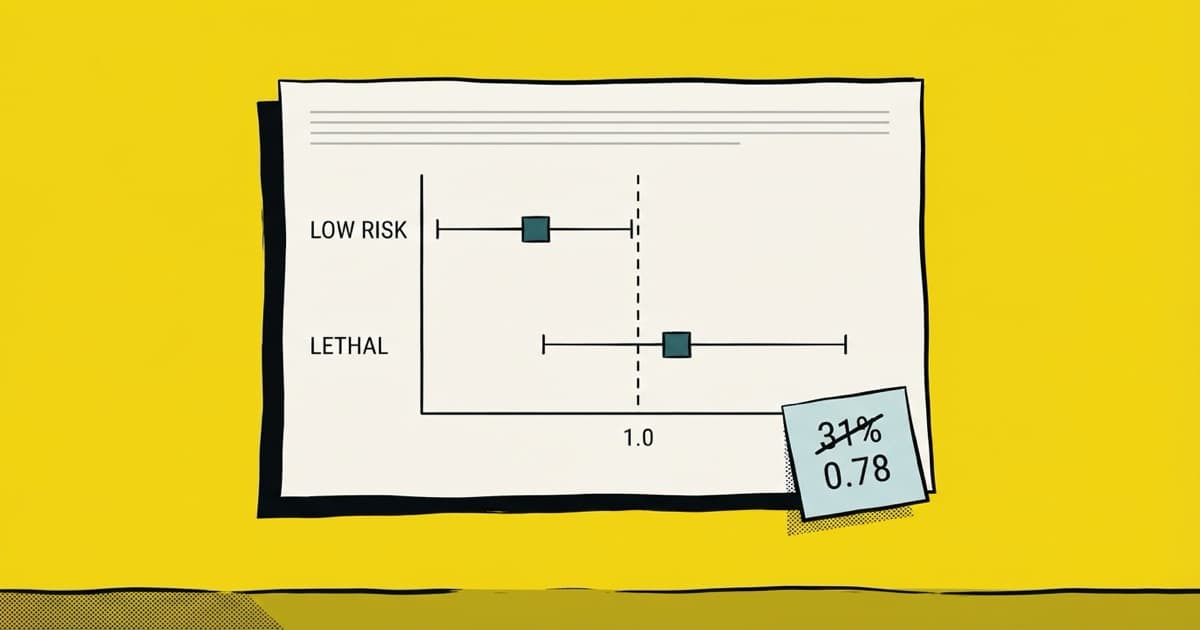 Ejaculation and prostate cancer — where the famous 31% came from, and why we repeated it tooThe most-quoted number here does not appear in the paper it is attached to. The real one is lower and concerns mostly low-risk disease.
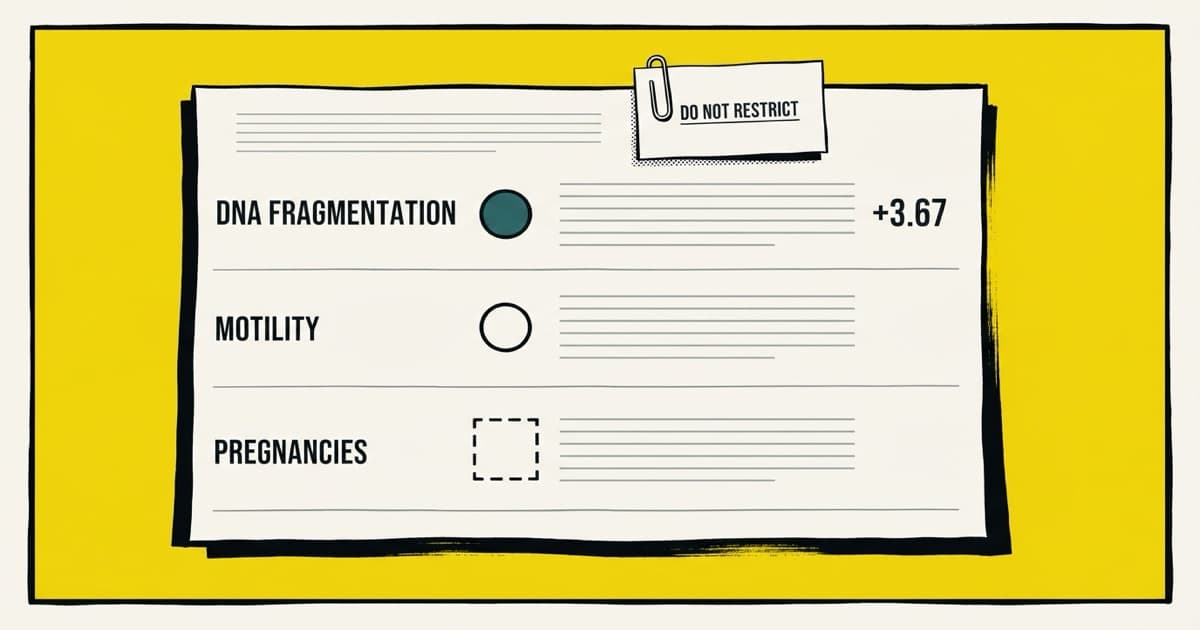 Abstinence and fertility — what is known if you are trying to conceiveA longer gap raises sperm DNA fragmentation. The professional guidance says plainly: do not restrict how often you have sex.
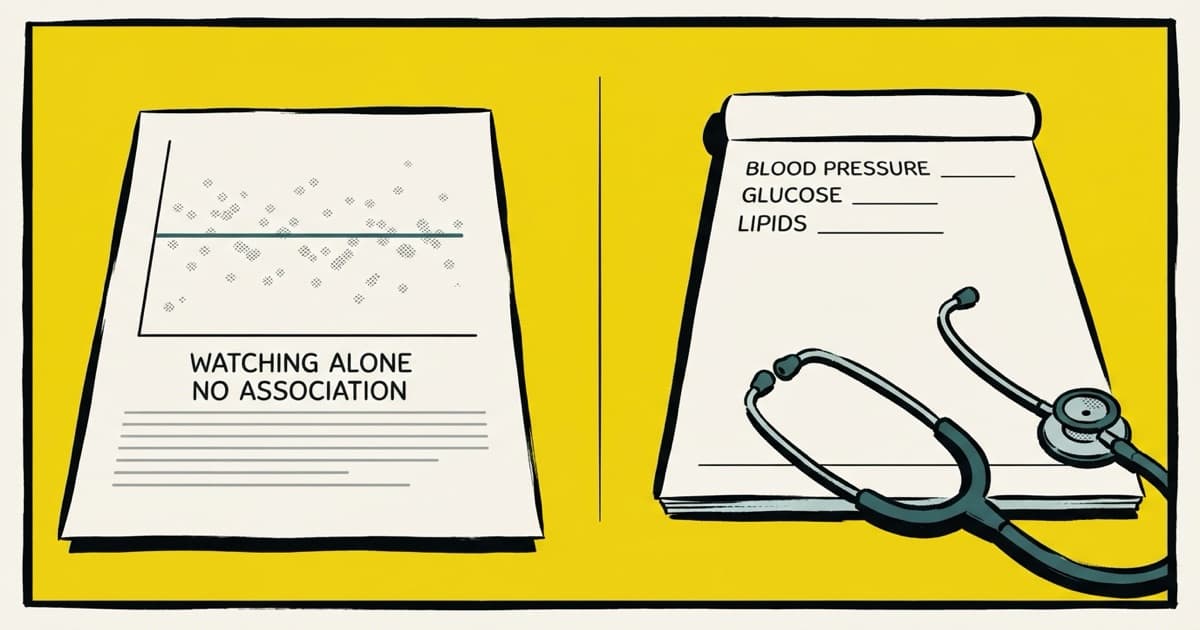 Porn and erectile dysfunction — what the studies showed and what they did notWatching itself shows no association with erectile dysfunction. Feeling that the use is out of control does — which is not the same as causing it.
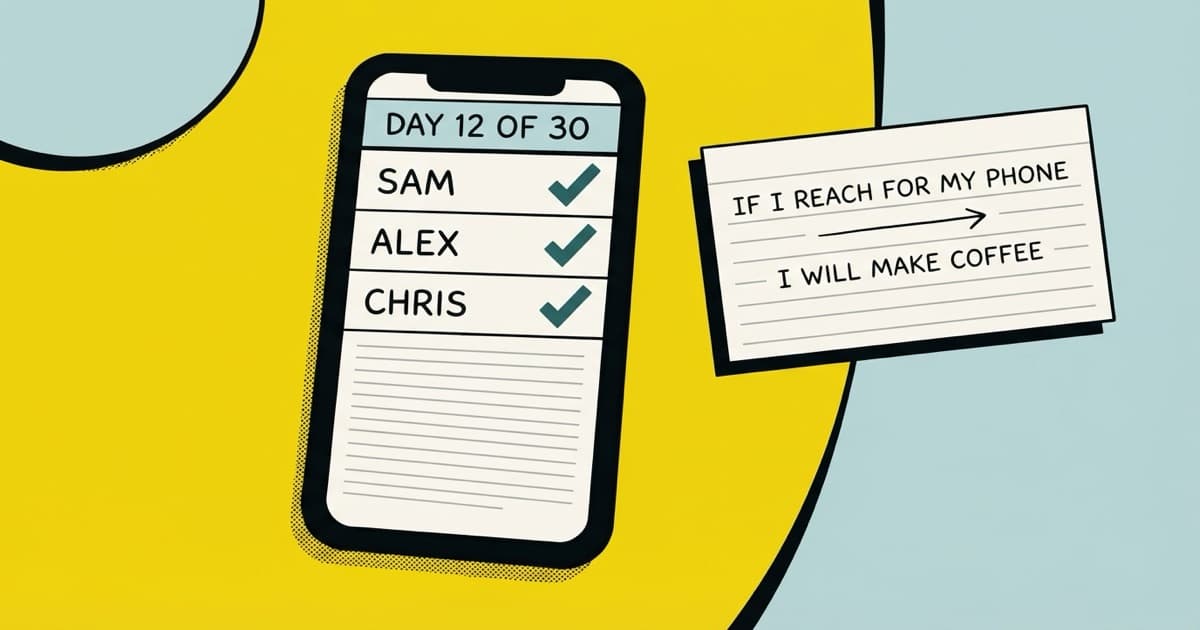 How to run a challenge with friends — five rules with evidence behind themInformal support beats trained, a shared board beats a forum, and a challenge should end. Each of these has a number behind it.
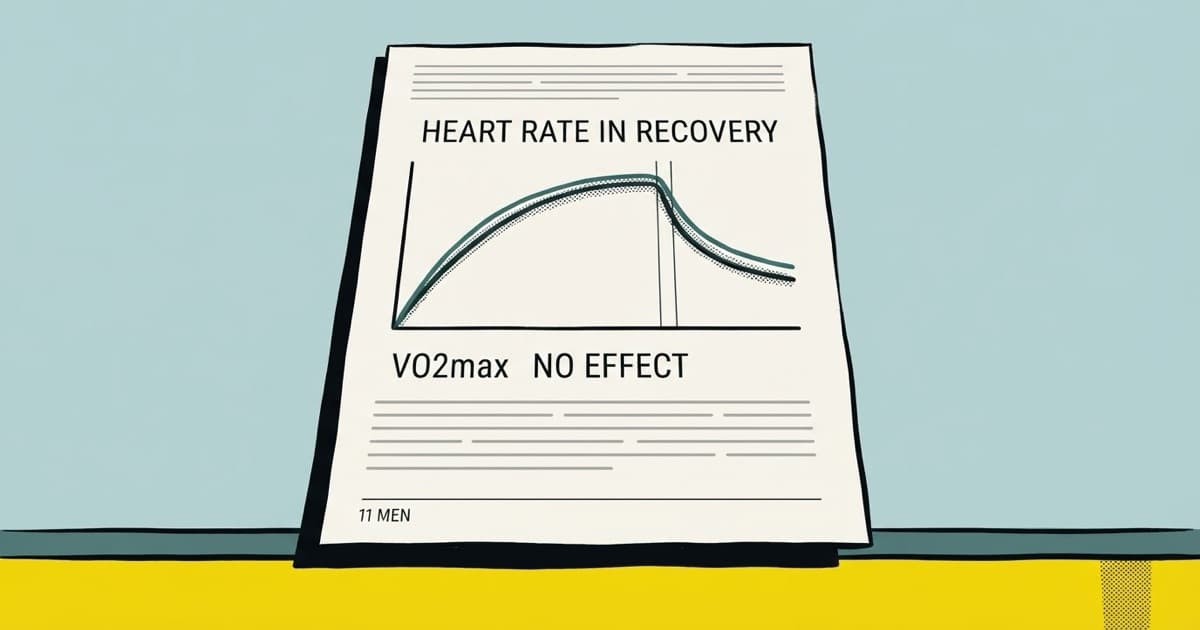 Sex before the fight — a myth with one exception, and a weak oneA review of nine studies found no negative effect of sexual activity the day before a competition. The famous 'less than two hours' rests on eleven men.
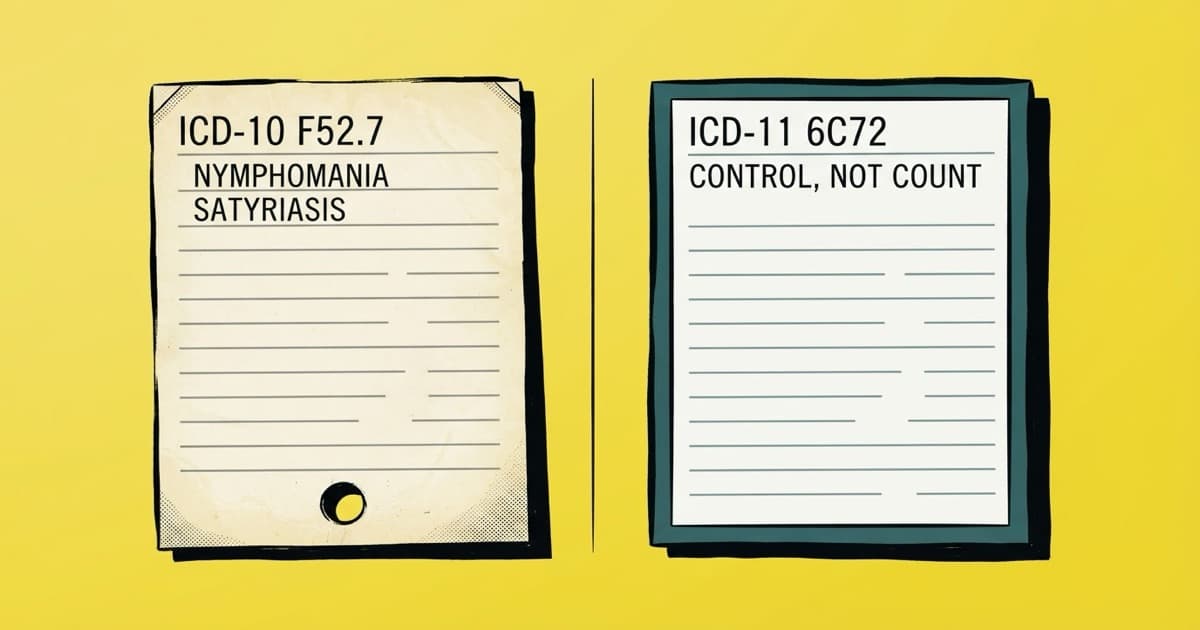 Nymphomania and satyriasis — where the words came from and why they left the classificationIn ICD-10 these were classification terms. ICD-11 does not contain them at all, and what replaced them is built on a different idea entirely.
 Where to find help in PolandNumbers that answer around the clock, fellowships, the public-health route and a free Polish research app. No affiliate links.
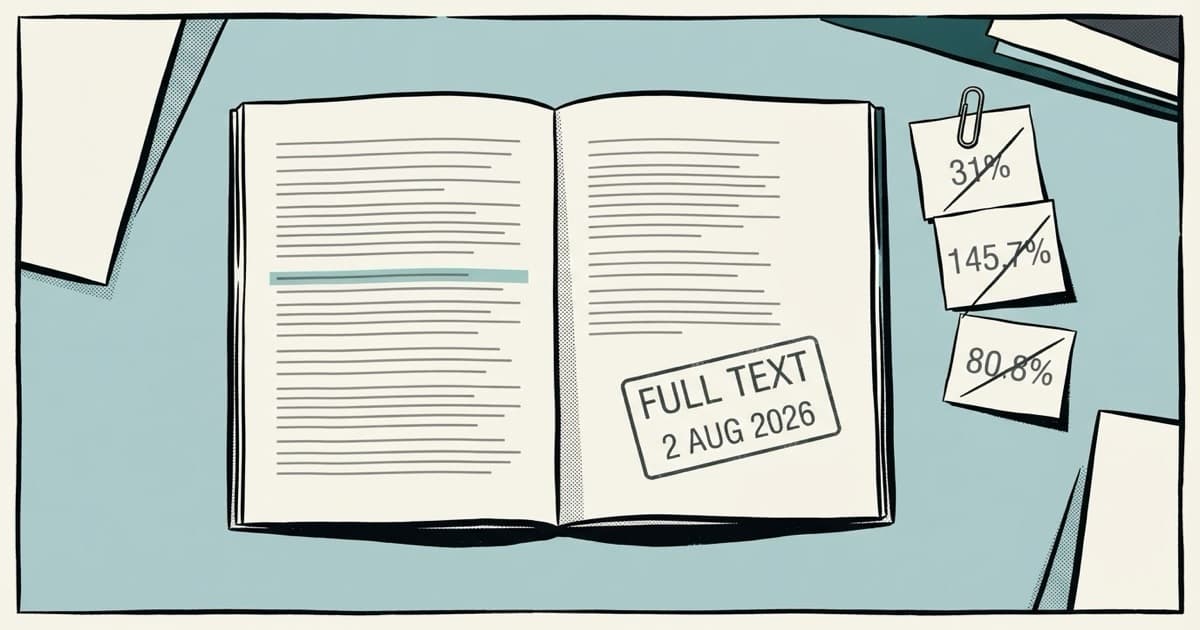 How we check numbersOne rule: every number comes from the full text, never from a summary. Here is what that looks like in practice, including where we got it wrong.
If you need help
The numbers are free and answer around the clock. You do not have to read anything to call.