Short answer: a dopamine detox is a behavioural technique for taking planned breaks from compulsive, high-stimulation habits — it is not a way to lower your dopamine, and dopamine does not need lowering. The name is the problem. The method underneath it is older, duller and more useful than the name suggests.
Where the term comes from
The phrase was popularised in 2019 by Cameron Sepah, a psychiatrist in San Francisco, who described "dopamine fasting" as a technique drawn from cognitive behavioural therapy for reducing the pull of constant cues — notifications, feeds, snacks within reach[1]. He listed six behaviours it was meant for: emotional eating, excessive internet use and gaming, gambling and shopping, porn and masturbation, thrill-seeking, and recreational drugs. He also told the New York Times that dopamine was "just a mechanism that explains how addictions can become reinforced, and makes for a catchy title"[1].
The catchy title then did what catchy titles do. Within months the practice being described online involved sitting in a dark room avoiding food, music, exercise, eye contact and conversation, in the belief that the brain's dopamine would "reset" and ordinary pleasures would feel intense again.
What dopamine actually does
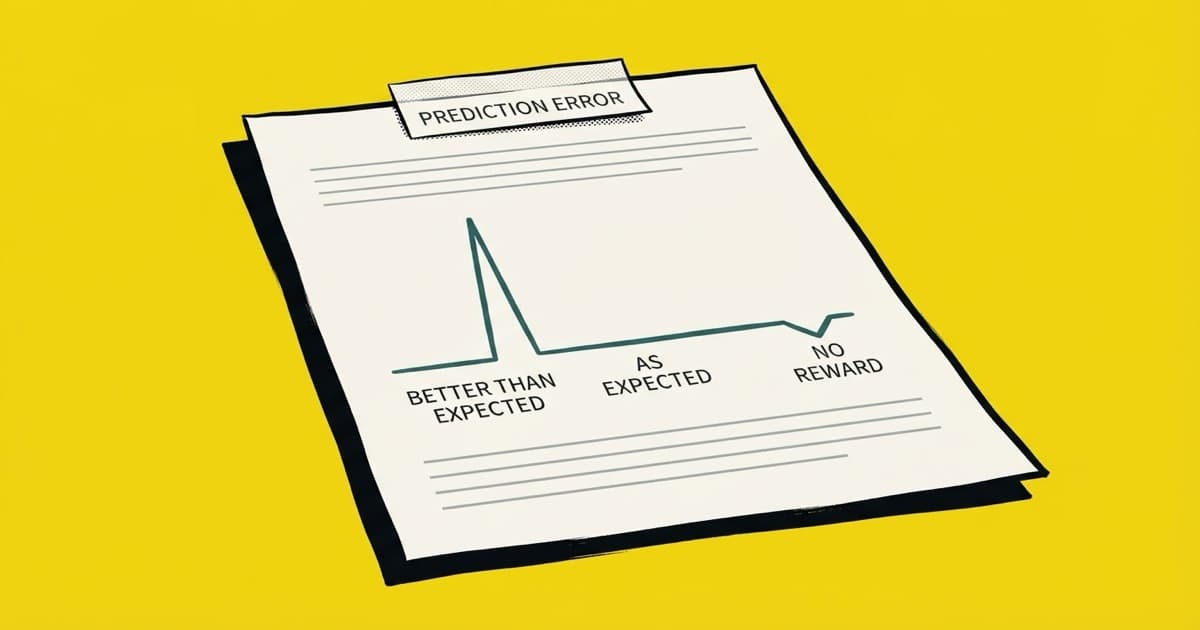
Dopamine is a neurotransmitter involved in reward, motivation and learning. The best-established finding about midbrain dopamine neurons is that they signal a reward prediction error: they fire when a reward is better than expected, stay at baseline when it is exactly as expected, and dip when an expected reward fails to arrive[2]. Dopamine is less a pleasure chemical than a "that was better than I predicted — do it again" signal, which is why the same review links it to a drive for always wanting more reward and to the way addictive drugs "hijack and amplify" the signal[2].
Two consequences follow. First, you cannot fast from dopamine. As Harvard Health's Peter Grinspoon put it, "You can't 'fast' from a naturally occurring brain chemical", and it "doesn't actually decrease when you avoid overstimulating activities"[1]. Second, the behavioural idea is sound for a different reason: cutting the cue removes the prediction, and without the prediction there is nothing for the craving to attach to.
The version that works
Strip the mythology and what remains is stimulus control, a standard technique in behavioural therapy: identify the behaviour, identify its cues, make the cues unavailable for a defined time, and plan what you will do with the time instead. Sepah's own suggestion was one to four hours at the end of each day, not a weekend of sensory deprivation[1].
Three things separate a useful detox from a performative one:
- One behaviour, named. "Dopamine" is not a behaviour. "Scrolling in bed after 22:00" is.
- A replacement, not a void. Boredom is tolerable for an hour; a weekend of it produces a binge on Sunday night. Walk, cook, read on paper, see a person.
- Healthy things stay. Exercise, food, music and other people are not the problem. Grinspoon's objection to extreme versions was exactly that they "deprive themselves of healthy things, for no reason, based on faulty science"[1].
How this connects to the challenge on this site
The 7-day challenge here is a stimulus-control tool with one addition the research on habit change supports: a small group of people you already know who can see whether you kept to it. The rules and a day-by-day plan are in Dopamine detox rules: a 7-day plan. If you want to read further, the books worth reading sorts the shelf by what each one actually argues.